
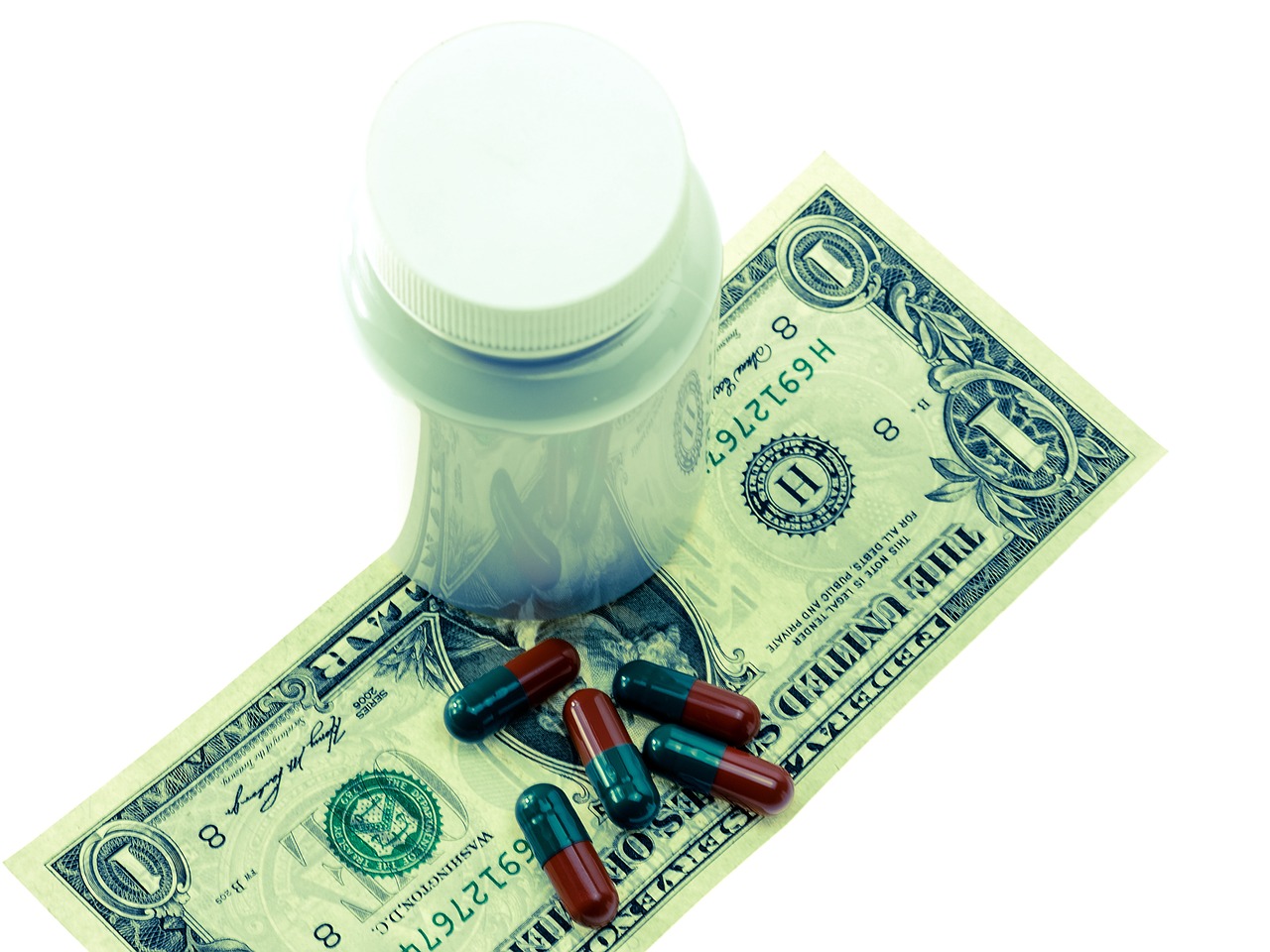
What to Do With Your Personal Injury Medical Bills After A Car Crash?
After a car crash, the medical bills start arriving long before any settlement does. It is one of the most stressful parts of a claim, and one of the most misunderstood. Many people assume the at-fault driver’s insurance company pays their bills as they come in. It does not. Understanding who actually pays, and when, can keep your bills out of collections and protect more of your eventual recovery. Here is how it works in Missouri.
Who Actually Pays Your Medical Bills After a Missouri Car Crash?
The key thing to understand is this: the at-fault driver’s insurer does not pay your bills one at a time. In almost every case, it pays once, in a single lump-sum settlement at the end of your case, in exchange for a signed release. That can be months or years away. In the meantime, your treatment has to be paid for somehow, and that is where your own resources come in: MedPay coverage, your health insurance, or a letter of protection. Whatever those sources pay is then accounted for when your claim resolves. Let us look at each option.
Option 1: MedPay (Medical Payments Coverage)
MedPay is optional coverage on your own auto policy, and it is one of the most useful things you can have after a crash. It pays your crash-related medical bills up to its limit regardless of who was at fault, with no deductible and no waiting on the liability claim. If you have it, it can cover early bills, co-pays, or deductibles quickly. Whether your MedPay insurer can later seek reimbursement out of your settlement depends on the terms of your policy, which is worth having reviewed, but the coverage itself is a valuable head start.
Option 2: Your Health Insurance
If you have health insurance, use it. This is the point the old advice often got wrong. Running your crash-related treatment through your health plan does two important things: it keeps your bills current and out of collections, and it applies your insurer’s negotiated rates, so the amount actually paid is usually far less than the full billed amount. Yes, your health plan will likely want to be reimbursed from your settlement (see liens and subrogation below), but that amount can often be negotiated down, so using health insurance still typically leaves you better off than letting bills pile up unpaid.
Option 3: A Letter of Protection
If you have no health insurance and no MedPay, a letter of protection can bridge the gap. It is an agreement in which a medical provider treats you now and agrees to wait for payment out of your eventual settlement, rather than billing you during the case. It lets injured people get the care they need without upfront cost, though the provider is then repaid from the recovery, so it should be used thoughtfully.
Medical Liens and Subrogation: Why Part of Your Settlement Gets Repaid
Here is the piece that surprises most people. When your health insurer, MedPay, Medicare, Medicaid, or a treating provider pays or defers your crash bills, many of them have a right to be repaid from your settlement. That right is called subrogation or reimbursement, and providers may also assert a medical lien against your recovery under Missouri’s hospital lien law. This does not mean you lose the benefit of using your coverage. It means part of settling a case is sorting out and, where possible, negotiating down what has to be paid back, so more of the money stays with you. Handling these liens is a core part of what an injury lawyer does.
Billed vs. Paid: Why the Number on the Bill Is Not the Whole Story
Medical bills in Missouri are rarely paid at full “sticker” price. Your health insurer negotiates lower rates, so the amount actually paid is often much less than the amount billed. Under RSMo 490.715, Missouri addresses how medical charges are presented to a jury, focusing on the amounts actually paid and reasonably necessary rather than just the amounts billed. This matters because the way your bills are documented and presented affects the value of the medical-expense part of your claim, another reason to keep clean records of what was billed, paid, and adjusted.
Why You Don’t Just Send Bills to the At-Fault Driver’s Insurer
Because it does not work the way people expect, and it can hurt you. The at-fault insurer pays once, at the end, not as bills arrive, so sending bills there does nothing to keep them current. Worse, dealing with the at-fault insurer directly early on gives an adjuster information and statements it can use to reduce what it eventually pays. The better approach is to keep your bills covered through MedPay or health insurance, preserve the records, and let your lawyer present the full medical picture when it is time to resolve the claim.
Which Option Is Right for You?
In most cases, the order looks like this: use MedPay for early, fault-free coverage if you have it; run ongoing treatment through your health insurance to keep bills current and apply negotiated rates; and use a letter of protection when you have neither. Then, when the case settles, the liens and reimbursement claims are negotiated so you keep as much of the recovery as possible. The right mix depends on your coverage and the strength of your claim, which is exactly the kind of thing worth reviewing with a lawyer early. For the broader claim, see our St. Louis car accident lawyer page.
Frequently Asked Questions
Who pays my medical bills right after a car accident in Missouri?
Not the at-fault driver’s insurer, at least not as the bills come in. That insurer usually pays only once, in a lump-sum settlement at the end of your case. In the meantime, your bills are covered by your own MedPay coverage, your health insurance, or a letter of protection from your provider, and those costs are accounted for when your claim settles.
Should I use my health insurance to pay crash-related bills?
In most cases, yes. Using your health insurance keeps your bills current and out of collections, and your insurer’s negotiated rates usually mean less is paid than the full billed amount. Your health plan will likely seek reimbursement from your settlement, but a lawyer can often negotiate that amount down, so you typically still come out ahead.
What is MedPay, and do I have to pay it back?
MedPay is optional medical payments coverage on your own auto policy that pays crash-related medical bills up to its limit regardless of who was at fault, with no deductible. Whether the MedPay insurer can seek reimbursement from your settlement depends on the terms of your policy, so it is worth having that reviewed.
Will I have to repay my health insurer from my settlement?
Often, yes. Many health plans, and Medicare and Medicaid, have a right of subrogation or reimbursement, meaning they can claim back what they paid for your crash-related care out of your settlement. The amount can frequently be negotiated, which is one of the ways a lawyer protects more of your recovery for you.
What is a letter of protection?
A letter of protection is an agreement in which a medical provider treats you now and agrees to wait for payment out of your eventual settlement, instead of billing you right away. It can help people who have no health insurance or MedPay get the care they need while the claim is pending.
Why shouldn’t I just send my bills to the at-fault driver’s insurance company?
Because that insurer does not pay your bills one by one. It generally pays a single settlement at the end, in exchange for a release of your claim. Sending bills there does not keep them current, and discussing your bills with the at-fault insurer early can give it information it uses to reduce what it eventually pays.
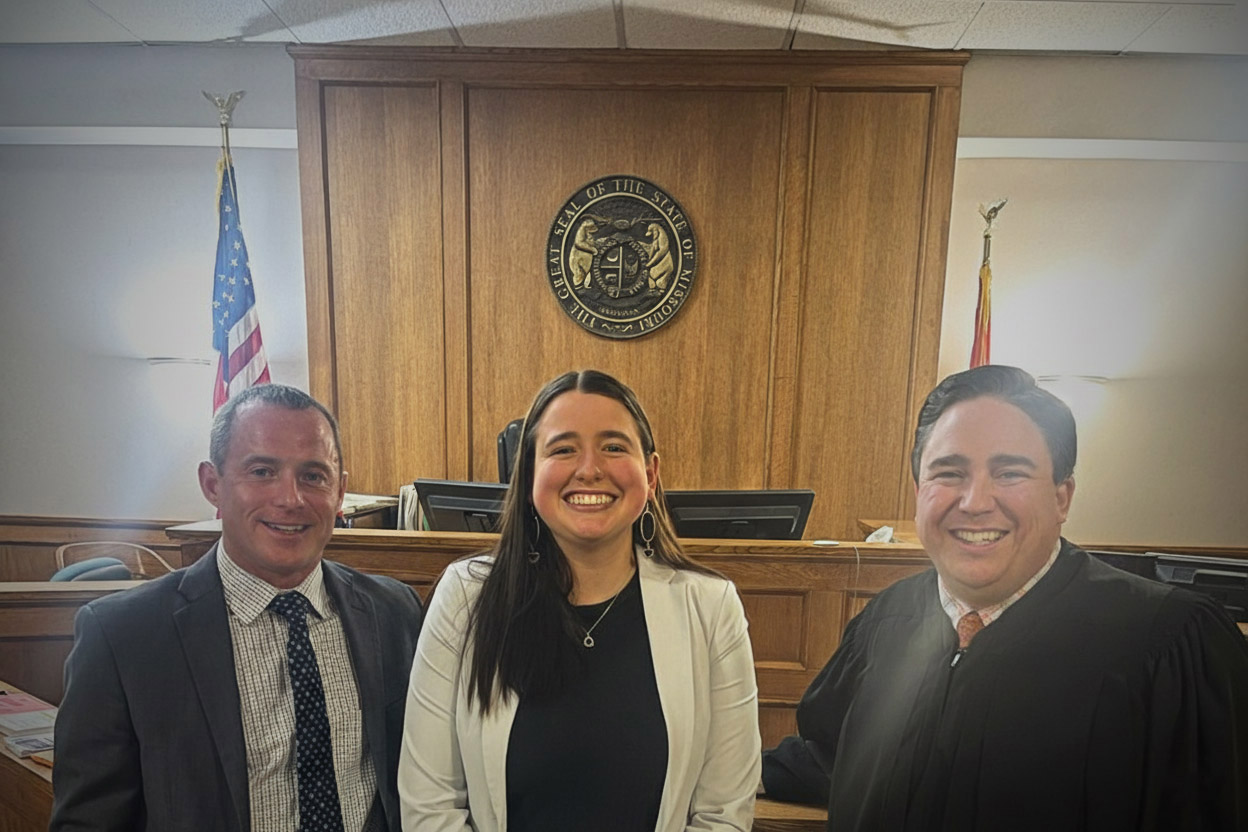
Award-Winning Personal Injury Lawyer Recognized for Excellence
At Mutrux Firm Injury Lawyers, our results speak through the voices of our clients and now, through the honors we’ve earned in the community. Tyson Mutrux is licensed to practice in Missouri, Illinois, and U.S. Federal Courts. He takes every case seriously, representing individuals in serious injury claims with precision and care.
A lawyer’s reputation speaks volumes about their ability to handle cases effectively. Whether you need legal representation for a personal injury claim, a car accident, a motorcycle accident, a truck or tow-truck accident, a pedestrian accident, a catastrophic injury, or a wrongful death, choosing an attorney with a proven track record is essential.

Before Tyson Mutrux became one of Missouri’s most effective personal injury lawyers, he served in the U.S. Army as a Non-Commissioned Officer. He graduated with distinction from the Non-Commissioned Officers Academy and received the Army Commendation Medal for exceptional service.
The military taught him discipline, precision, and the importance of planning three moves ahead. Those same principles guide his approach to every case today.
Over the years, he has earned notable recognition, including:
- Selected for Super Lawyers (2024 – 2026).
- Best Car Accident Lawyer in Columbia, Missouri, Expertise.com (2026).
- Best Injury Lawyer in Columbia, Inside Columbia Magazine (2025).
- Top 10 Car Accident Lawyers in Columbia, Trust Analytica (2024).
- The Nation’s Top One Percent of Attorneys, National Association of Distinguished Counsel (2015).
- Top 100 and Top 40 Under 40, The National Trial Lawyers (2014).
- Superb (10/10) Rating, Avvo (2012).
- U.S. Army Commendation Medal.
You can also connect with us directly on Google to see reviews, updates, and more:
Mutrux Firm Injury Lawyers – St. Louis
Mutrux Firm Injury Lawyers – Columbia
We serve clients across Missouri and Illinois, with dedicated offices in St. Louis and Columbia.

Drowning in Medical Bills After a Crash? Talk to a Missouri Car Accident Lawyer
If the bills are piling up after a crash that wasn’t your fault, you don’t have to sort out the coverage, liens, and insurer tactics alone. Mutrux Firm Injury Lawyers helps injured people keep their bills manageable during a claim and works to protect as much of the final recovery as possible. We offer a free case review, and you pay nothing unless we win. Contact us or call (888) 550-4026 today.