
Insights from NHTSA’s Probe 2023 Traffic Safety Report: What Texas Drivers Need to Know?
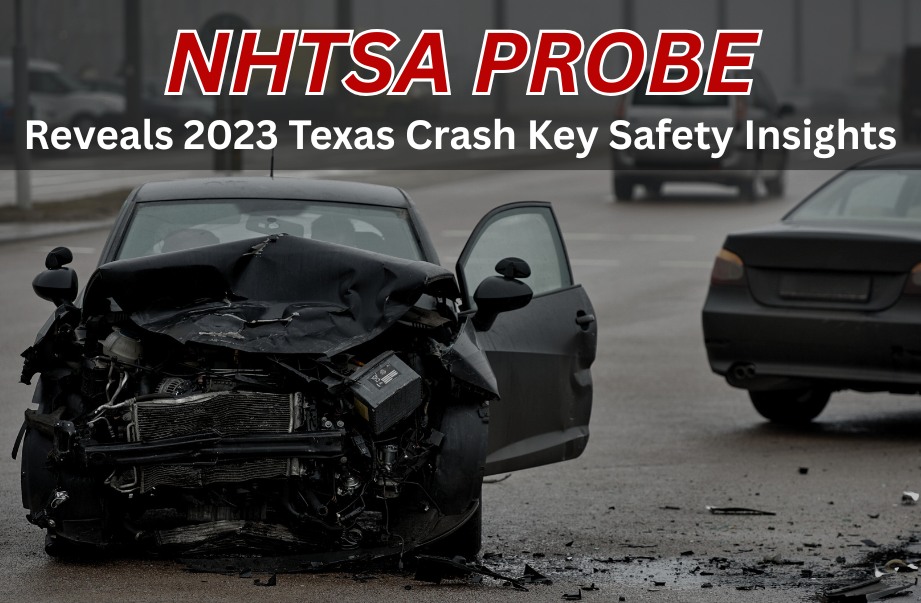
Overview of the NHTSA SCI Report
Why did the NHTSA initiate the rear-end collision investigation? Understanding the why behind the National Highway Traffic Safety Administration’s (NHTSA) decision to focus on rear-end collisions is crucial for comprehending the broader implications. This investigation was driven by the pervasive nature of rear-end collisions, one of the most common types of vehicular accidents, often resulting in severe injuries and fatalities. The intent, through the Special Crash Investigation (SCI) program, is to dissect these accidents to enhance safety systems and prevent future incidents. According to the NHTSA, this program zeroes in on incidents where safety systems in vehicles crucially meet or fail expectations. (NHTSA Special Crash Investigations)
The report analyzed rear-end collisions primarily involving different vehicle technologies from 2016 to 2021. Data was collected from varied incidents to identify patterns and safety shortcomings. The outreach extends to manufacturers, policymakers, and consumers, providing them with actionable insights to bolster vehicle safety and reduce rear-end collision occurrences.
Rear-end crashes can leave you with mounting medical bills, lost income, and lasting pain. Our team is here to help. Speak with a trusted Missouri car accident attorney today to understand your rights and pursue fair compensation for your injuries.
Key Findings from the Investigation
What common factors contribute to rear-end collisions? The investigation highlighted several recurring factors contributing to rear-end collisions. Key among them are driver inattention and brake system efficacy. Inattention often stems from distractions, including mobile device usage. Furthermore, the report underscores the mixed performance of current vehicle technologies meant to enhance braking response, indicating areas for improvement and innovation in the auto industry. (Insurance Institute for Highway Safety: Rear-End Crashes)
The role of vehicle technology, particularly in collision avoidance, is a poignant subject. While technologies like automatic emergency braking have shown promise, their inconsistent application across models and response variability highlight a significant area for advancement. Driver behavior and external conditions, such as adverse weather or congested traffic, also significantly influence collision likelihood, as detailed in the investigation’s data.
Vehicle and Technology Context
Which vehicles and technologies were part of this investigation? The investigation scrutinized various makes and models outfitted with varied safety technologies. The concentration was on vehicles equipped with advanced safety features, such as collision avoidance systems. However, the effectiveness of these technologies was found to vary across models. Understanding vehicle-specific effectiveness can guide both consumer purchases and manufacturer improvements. (Understanding Vehicle Safety Features)
Though innovative safety technologies exist, limitations persist. Current systems sometimes fail in real-world applications, pointing to a gap between technology potential and deployment. Thus, comprehensive standardization and testing are critical for these safety systems to yield consistent, positive results in crash prevention.

Safety Takeaways for Drivers
What steps can drivers take to enhance safety and prevent rear-end collisions? Based on the investigation, drivers can adopt several strategies to minimize collision risks. First, maintaining a safe following distance and staying vigilant can significantly reduce distraction-related collisions. Secondly, leveraging existing vehicle safety features effectively, like utilizing adaptive cruise control, can bolster drivers’ reaction times. (Consumer Reports: How to Avoid Rear-End Collisions)
Adapting driving habits to incorporate these elements is crucial. Emphasizing caution in adverse weather and ensuring brakes and tires are in top condition can further enhance safety. As vehicles become increasingly automated, staying informed about the capabilities and limitations of these systems is imperative for driver safety.
What to Do After a Rear-End Collision?
What steps should be taken following a rear-end crash? Post-collision actions are pivotal for safety and future insurance claims. Immediately after a crash, ensure all parties are safe and call emergency services if necessary. It’s essential to document the scene thoroughly, capturing photos and gathering witness statements if possible. Notifying authorities ensures an official report, which can be crucial for claims and legal processes. (So You’ve Had an Accident, What’s Next?)
In the aftermath, alert your insurance company promptly to begin the claims process. Keeping meticulous records of the event, including medical treatments and repair costs, will further aid in efficiently navigating any potential legal or insurance hurdles.
Related Trends and Vehicle Recalls
Are there ongoing trends or recalls related to rear-end collisions? Emerging trends suggest an increase in rear-end collision statistics, partly due to rising traffic density and distractions. Additionally, recent vehicle recalls, specifically those linked to faulty brake systems or inadequate collision prevention technologies, indicate an ongoing need for vigilance in vehicle maintenance and awareness. Regularly checking for recalls on vehicles is a proactive measure consumers can take. (Check for Recalls: Vehicle, Car Seat, Tire, Equipment | NHTSA)
Looking to the future, automotive safety innovations are expected to focus on enhancing the reliability and effectiveness of automated driving aids. These advancements hold the potential to significantly diminish rear-end collisions, culminating in safer roads for all users.
Frequently Asked Questions About Rear-End Collisions and NHTSA Insights
Q1. Why does the NHTSA focus heavily on rear-end collisions?
The NHTSA prioritizes rear-end collisions because they are among the most frequent and severe crashes on U.S. roads. By studying these accidents through its Special Crash Investigations program, the agency identifies patterns in driver behavior, vehicle technology performance, and external conditions. This helps improve vehicle design, update safety standards, and protect drivers and passengers from future collisions.
Q2. How do advanced vehicle technologies like AEB help prevent rear-end crashes?
Automatic Emergency Braking (AEB) and similar driver-assist systems are designed to detect obstacles and apply brakes faster than human reaction times. However, their effectiveness depends on factors like road conditions, sensor calibration, and software updates. While AEB reduces crash risks, it is not foolproof, highlighting the need for drivers to stay alert and maintain safe distances.
Q3. What are the most common causes of rear-end collisions?
Driver distraction remains the leading cause, often linked to cell phone use, eating, or adjusting in-vehicle controls. Other causes include brake system failures, reduced visibility from bad weather, tailgating, and inconsistent traffic flow. The NHTSA’s data shows that combining better driver habits with reliable vehicle technology can drastically reduce collision risks.
Q4. What steps should I take immediately after a rear-end accident?
First, check for injuries and move to a safe location if possible. Call emergency services, document the accident scene with photos and witness information, and file a police report. Notify your insurance company promptly, and consider consulting a car accident attorney to protect your rights, especially if serious injuries or disputes arise.
Q5. How can a car accident lawyer help after a rear-end collision?
A car accident lawyer can investigate the crash, gather evidence such as police reports and vehicle data, and identify liable parties. They also negotiate with insurance companies to recover compensation for medical expenses, lost wages, vehicle repairs, and pain and suffering. In complex cases involving defective safety systems or recalls, an attorney can pursue additional claims against manufacturers.

Award-Winning Personal Injury Lawyer Recognized for Excellence in Missouri
At Mutrux Firm Injury Lawyers, our results speak through the voices of our clients and now, through the honors we’ve earned in the community. Tyson Mutrux was proudly awarded Best Attorney in Columbia for 2025 by Inside Columbia Magazine, a recognition that reflects not only legal skill but also the deep trust of those we serve in Missouri.
A lawyer’s reputation speaks volumes about their ability to handle cases effectively. Whether you need legal representation for a personal injury claim, car crash claim, medical malpractice, or any other legal matter, choosing an attorney with a proven track record is essential.
Reading online reviews, client testimonials, and industry recognitions can help you gauge a lawyer’s credibility. Tyson Mutrux has built a strong reputation in Missouri, earning a 10.0 Superb rating on Avvo and recognition from Expertise as one of the Best Medical Malpractice Lawyers in St. Louis (2020).
Additionally, he has been honored by The National Trial Lawyers’ “Top 40 Under 40” for his dedication to achieving the best possible outcomes for his clients. His attention to detail, strong communication skills, and history of satisfied clients are reflected in numerous positive Google reviews.

Get Trusted Support from Missouri Car Accident Attorney
If you’ve been injured in a rear-end collision, you don’t have to face the aftermath alone. A skilled Missouri car accident attorney from Mutrux Firm Injury Lawyers can guide you through insurance claims, gather critical evidence, and fight for the compensation you deserve.